Banner
Click on the slide!

Education

CRF provides opportunities for the public to learn about the declining reef environment and how they can become part of the solution. 

Click on the slide!

Education

CRF provides students and volunteers the opportunity to move the classroom into the field.

Click on the slide!

Education

CRF encourages participation of  students, community groups and divers to participate, learn and share restoration techniques.

Click on the slide!

Public Participation

CRF's unique hands on approach allows volunteers to see their efforts make a difference.

Click on the slide!

Public Participation

Participating divers measure and record growth and health data of the corals restored to damaged reefs.

Click on the slide!

Public Participation

Through the CRF monitoring program returning volunteers see the reefs health improve from their efforts.

Click on the slide!

Nursery

CRF's staghorn nursery has been steadily growing with the help of volunteers.

Click on the slide!

Nursery

During the cooler months, volunteers cut fragments from permenant parent staghorn colonies and mount them on cement disks.  These nubbins will grow large enough to transplant to a reef in one to two years.

Click on the slide!

Nursery

The once barren nursery floor attracts marine life with the newly planted corals, a good reminder of how important the staghorn is to the health of the marine ecosystem.

Click on the slide!

Restoration

Corals grown to transplant size are cleaned and hand carried by CRF volunteers to their permenant home.

Click on the slide!

Restoration

Volunteers prepare each marked site and epoxy the new coral in place, mixing the genome types to promote healthy spawning. 

Click on the slide!

Restoration

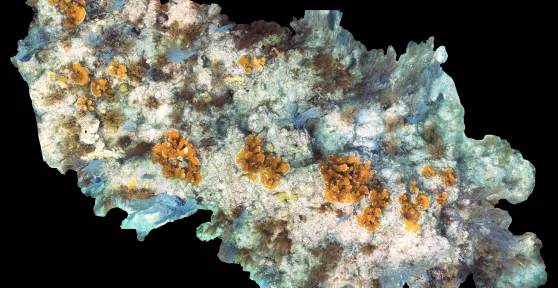
The new corals have been documented spawning after just two years.  After four years the first transplants showed healthy reef growth. 

Click on the slide!

Partnerships

CRF promotes partnering and sharing techniques.  Ken joined an Aquaris mission in 2008 to help establish a experimenal coral growing facility permenantly situated near the aquarius facility. 

Click on the slide!

Partnerships

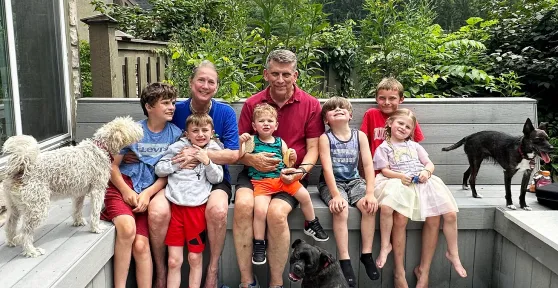
The CRF Team (Ken, Katie and Andy)

Click on the slide!

Partnerships

The continuing efforts of community volunteers have made the restoration projects possible and prove that individuals can make a difference. 

Frontpage Slideshow (version 2.0.0) - Copyright © 2006-2008 by JoomlaWorks

PostHeaderIcon CRF receives kind donation from Ocean Reef Conservation Association

CRF Updates
ORCA-Boat_DonationThe Coral Restoration Foundation received a kind donation from the Ocean Reef Conservation Association in early August of this year. Jack Dunn (right), member of the Key Largo based conservation association, standing with CRF's President, Ken Nedimyer, donated his 18' Mako to the foundation to help support shallow water field operations. Ocean Reef Consevation Association's main goal "is to make Ocean Reef, along with its local waters, fishery and habitat, a better place not only for those of us here now but for future generations yet to come."

Both organizations share a vision for improving the habitats for current and future generations.
CRF is proud to have the support from Ocean Reef and other organizations believing in our mission and goals.
 

PostHeaderIcon Coral Spawning Summary for 2010!

US Projects FL Keys

T.R.U.E Dive Team (Teen Research Underwater Explorers) and CRF joined together for a series of night dives during the 2010 coral spawning seasonin the Keys with FLKeys (Florida Keys Dive Center). During August 26th to the 29th, T.R.U.E and all staff at CRF put together an impressive underwater program geared at collecting spawn from CRF's staghorn coral (Acropora cervicornis) outplantings and wild colonies of elkhorn coral (Acropora palmata) at Molasses Reef.


PostHeaderIcon Events for Fall 2010!

CRF Updates
CRF Announces Four Final Events for 2010! Sign Up Now with Local Dive Operators and Volunteer!


PostHeaderIcon Why Diadema?

Disappearing Diadema
WhyDiadema


A Quick Little Quiz about a Keystone Herbivore

What coral reef animal was super abundant on the reefs of the Florida Keys 30 years ago, and was abhorred by lobster divers and greatly feared by snorkelers?

Another clue--this animal suffered a great plague in 1983 that reduced its numbers throughout the western tropical Atlantic by about 98 percent. At first, most divers were happy to see them gone because they were no longer subjected to frequent and painful encounters with this little beast


Benefits

• Tourism

• Coastal Protection

• Medical Advances

LiveReef.png

Coral Reefs: Importance - WWF

Threats

• Overfishing

• Natural Threats

• Pollution

DeadReef.png

Coral Reefs: Threats - WWF

Solutions

• Coral Nursery Development

• Local-to-Global Reef Restoration

• Strategic Protection and Community Empowerment

Nursery.png

Coral Reefs: Solutions - CRF

More Ways To Participate
   My items on eBay